
Prioritising Wellbeing: Leading by Example
By Jane Hughes
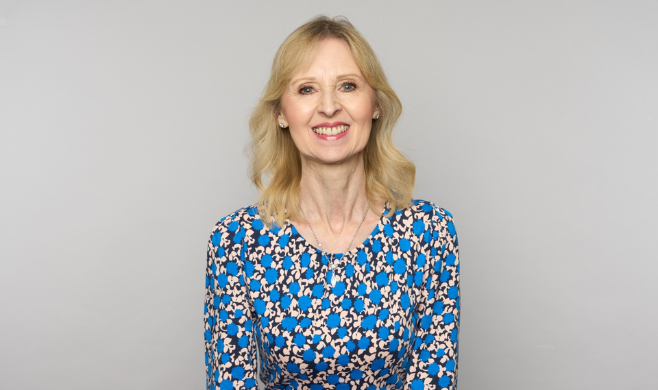
By Jane Hughes, Chief Executive, Mental Health Matters
At the start of the year, one of those ‘careless moments’ resulted in two foot fractures, forcing me to slow down and reassess my plans. The simplest of practical tasks became a new challenge, navigating the stairs in a walking boot, trying to conquer crutches whilst being told not to place weight on the injured foot. However, this sense of frustration was quickly overtaken by the realities of my diary commitments for the next few months.
For a while, I could not pop into the office, visit colleagues in our services, or attend the usual meetings and events around the country. It was a stark reminder of the value of Microsoft Teams in maintaining contact, irrespective of where colleagues were based. It also forced me to slow down for a while and taught me a lot about looking after my own wellbeing.
During the short, dark winter days, I soon realised how much face-to-face interaction with colleagues plays a vital part in my wellbeing. The small exchanges that rarely make it into a virtual meeting play an invaluable role in creating connection.
Saturday 10th October is World Mental Health Day. This year's theme is lived experience and it's worth remembering that lived experience isn't only found in the stories we hear. It also shows up in the everyday choices we make as leaders, and in what those choices tell the people around us.
Why role-modelling matters
Research has found that only just over half (55%) of workers report a high state of wellbeing at work[1]. This is a concerning statistic when you consider how much time we spend at work and how integral that is to our daily lives.
Most of us in leadership roles understand why wellbeing matters. However, recognising and understanding the importance of wellbeing is one thing; prioritising it in the middle of a demanding week is another. Time for ourselves can easily slip down the to-do list until it becomes something we hope to make room for, rather than something we actively protect.
What does this say to our team and people around us when things get difficult?
People notice what we do far more than what a policy says. When we openly take care of ourselves, we protect our own ability to lead well and be effective. Equally it shows others that they can, and should, do the same. We're setting an example that gives others permission to look after themselves and their teams.
Lived experience takes many forms. Sharing an honest example of struggling to switch off, maintain perspective or sustain a positive mood can be more helpful than presenting a shining example of getting it right. Openness makes wellbeing a normal part of working life rather than a conversation arising from a moment of crisis.
This World Mental Health Day, I hope more leaders make space for their own wellbeing, not only for themselves, but because the way we lead affects the people around us. Looking after ourselves is one way we can show others that their wellbeing matters, and we should take time to protect it. Good leadership means creating the conditions for people to understand what supports them and ask for help without fear of being judged.
Points for Reflection
Some of the most useful things we can do are small but visible:
- Protect time for lunch breaks and use annual leave.
- Put wellbeing strategy into practice. Join in with wellbeing initiatives, taking part with and encouraging your colleagues.
- Talk openly and honestly about wellbeing: share what experience has taught you, including what you have got wrong and what you are still working on.
- Encourage those around you to protect their own time and find what helps maintain their wellbeing. Do not assume the same solutions work for everyone or that they will always feel able to ask for help.
- Notice and check in with colleagues: ask them what helps maintain their wellbeing, how you might know when they are struggling, and how you can help.
Mental Health Matters (MHM) is a national charity with over 40 years of experience in delivering high-quality mental health services and training courses.
[1] The State of Employee Wellbeing in the Workplace: 2024
Latest blogs
Prioritising Wellbeing: Leading by Example
Jane explores why leading by example matters when it comes to wellbeing.

Leading through complexity: what the Inner Development Goals offer
Ed explores how development goals can help leaders navigate complexity, uncertainty and change.

My stumble: Why doing the important things matters
When life gets busiest, the things that help us most are often the first to fall away. Jo Youle reflects on leadership, learning and making time for what matters.
Disclaimer:
The views expressed in Blogs, Articles, Podcasts and Videos posted on Windsor Leadership’s website and social media channels, remain the opinions of the individuals and do not necessarily represent the views or opinions of Windsor Leadership. Windsor Leadership does not accept any responsibility for the accuracy of the information shared. We hope however that the views prove to be useful in reflecting on the challenges of leading today.